

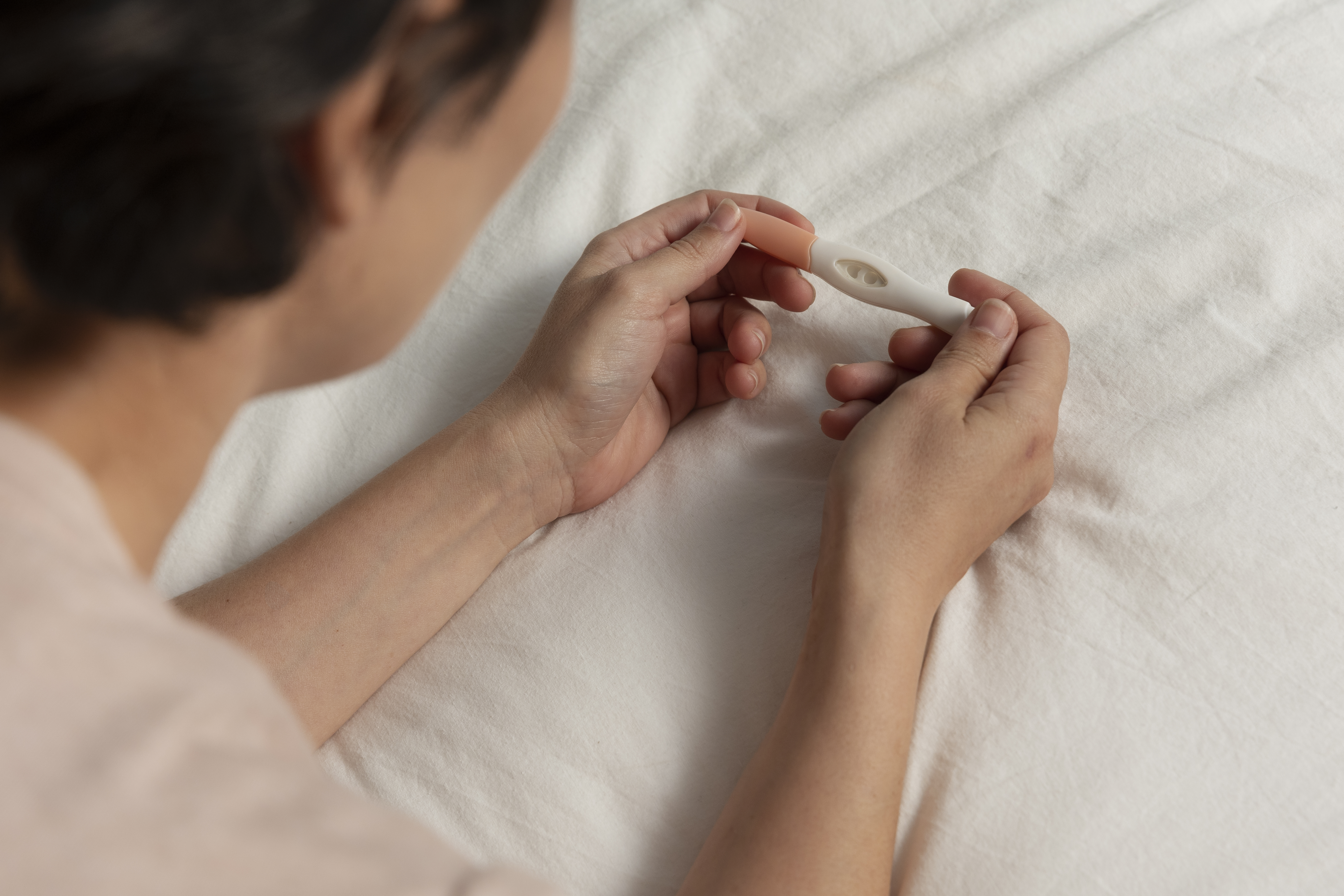

6 DPO, or 6 days past ovulation, is a key checkpoint for many people trying to conceive (TTC). It marks the midpoint of the luteal phase, when your body is either preparing for pregnancy or continuing on toward menstruation. While some report experiencing 6 DPO symptoms at this stage, it’s important to understand the science behind what’s happening—and what these symptoms might actually mean.
Understanding the 6 DPO Window
Ovulation typically occurs around the midpoint of a 28-day menstrual cycle. Once the egg is released, it travels through the fallopian tube and must be fertilized within about 12–24 hours. If fertilization occurs, the resulting zygote begins dividing into a blastocyst as it travels toward the uterus.
Supporting your hormonal health during the two-week wait is just as important as tracking symptoms. Tools that focus on balancing hormones, reducing inflammation, and supporting reproductive wellness can significantly improve how you feel—both physically and emotionally. The Belle App helps you track your cycle and better understand your symptoms, empowering you with insights to take control of your fertility journey.
At 6 DPO, two main things are happening:
-
Hormonal Shift: Progesterone levels peak to support a potential pregnancy, thickening the uterine lining and regulating your body temperature.
-
Possible Implantation Begins: While most implantations occur between 7–10 DPO, some can begin as early as 6 DPO, though this is less common.
Common 6 DPO Symptoms
Let’s explore the symptoms that some individuals report experiencing at 6 DPO. Keep in mind, these symptoms are not definitive indicators of pregnancy—they can also be attributed to PMS or the natural effects of progesterone.
1. Mild Cramping or Pelvic Discomfort
Some people experience twinges or mild cramps at 6 DPO. This could be:
-
Implantation cramps (if fertilization occurred early)
-
Normal luteal phase cramps from hormonal changes
These cramps are usually less intense than menstrual cramps and may feel like a dull ache or pinching sensation in the lower abdomen.
2. Light Spotting or Discharge Changes
Spotting can occur around this time due to:
-
Hormonal fluctuations
-
Cervical changes
-
Very early implantation bleeding (though more common at 8–10 DPO)
Discharge might become thicker, creamier, or white due to increased progesterone, whether pregnant or not.
3. Breast Tenderness or Sensitivity
Tender or swollen breasts are frequently reported at this stage and are primarily due to rising progesterone. If conception occurred, increasing hCG levels may intensify these symptoms in the days ahead.
4. Bloating and Digestive Changes
Progesterone slows digestion, which can lead to:
-
Bloating
-
Constipation
-
Gas
These symptoms are common during both PMS and early pregnancy.
5. Mood Swings and Fatigue
Feeling tired, moody, or emotionally sensitive? These are classic luteal phase symptoms and occur with or without pregnancy. Fatigue may be worsened by disrupted sleep or stress related to TTC.
6. Headaches and Dizziness
Hormonal fluctuations can lead to tension headaches or mild dizziness in some individuals. These aren’t necessarily signs of pregnancy but are common in the second half of the menstrual cycle.
7. Nausea or Food Aversions
Although nausea is more typical after implantation (due to hCG), a few may report mild queasiness or food sensitivity at 6 DPO. However, this is uncommon and often influenced by other factors like stress or digestive changes.
8. Increased Urination
Increased bathroom visits are usually a later symptom of pregnancy, but some people may notice subtle changes due to hormonal shifts or increased water intake.
PMS vs Early Pregnancy at 6 DPO
| Symptom | PMS | Possible Early Pregnancy |
|---|---|---|
| Cramping | Common | Common (if implantation is occurring) |
| Breast tenderness | Common | Often more intense |
| Mood swings | Common | Common |
| Bloating | Common | Common |
| Nausea | Rare at this stage | Possible but uncommon |
| Spotting | Occasionally pre-period | Possibly implantation bleeding |
Distinguishing PMS from pregnancy symptoms at 6 DPO is extremely difficult, as most signs overlap. The only way to confirm pregnancy is with an accurate pregnancy test after the appropriate window.


Your body is your home. Embrace and reclaim the power to own it.


Is It Too Early to Take a Pregnancy Test at 6 DPO?
Yes—6 DPO is too early for most home pregnancy tests to detect hCG. Even if implantation occurs this early, it takes 1–2 days after implantation for hCG to rise enough to show up on a sensitive test.
For most accurate results:
-
Wait until 12–14 DPO
-
Use a high-sensitivity early detection test
-
Test first thing in the morning (when hCG concentration is highest)
Tips for Managing the Two-Week Wait (TWW)
The “two-week wait” between ovulation and your expected period can feel emotionally draining. Here are some suggestions to help cope during this uncertain time:
-
Track your symptoms, but with caution: Journaling symptoms can help you notice patterns, but don’t overanalyze.
-
Stay busy: Focus on work, hobbies, or relaxing activities to keep your mind off testing.
-
Limit early testing: False negatives are common before 10 DPO.
-
Take care of your body: Eat balanced meals, rest, and stay hydrated.
When to See a Doctor
If you experience any of the following, contact a healthcare provider:
-
Heavy bleeding or sharp abdominal pain
-
Unusual symptoms like fever or dizziness
-
Persistent irregular cycles while TTC
-
Repeated chemical pregnancies or failed implantation
A fertility specialist can help evaluate hormone levels, ovulation timing, or other potential issues.
Final Thoughts
At 6 DPO, early pregnancy symptoms are possible—but not definitive. Most symptoms reported during this stage, like cramping, bloating, and fatigue, are also common signs of PMS. While it’s tempting to read into every twinge, true confirmation of pregnancy won’t come until after implantation and a positive test—typically around 10–14 DPO.
Continue tracking your cycle, support your body with rest and healthy habits, and test when the time is right. Patience during this phase can be challenging, but remember—every day brings you closer to clarity.
Can you feel pregnancy symptoms at 6 DPO?

How can I tell the difference between PMS and pregnancy at 6 DPO?
What does cervical mucus look like at 6 DPO?